
SHAKE HEART

S H A K E – SAVING HEART ATTACK KEY EFFORTS
CREATING AWARENESS TO PREVENT HEART ATTACKS

Eminent cardiologists present methods of prevention and management of heart disease

Symposium focused on preventing CVD deaths and minimising disease impact.

Dubai, UAE: The 10th annual SHAKE symposium held in Dubai on June 14, 2026, witnessed a substantial turnout of eminent cardiovascular disease specialists and allied healthcare professionals at a day-long conference organized and presented by its chairman and founder, Dr Brajesh Mittal, eminent interventional cardiologist, Medical Director of Medcare Hospital, heading its cardiology department. This year the focus of the symposium was prevention of death and minimizing the damage triggered by CVD.

SHAKE which is an abbreviation for Saving Heart Attacks Key Efforts, is an annual conference held under the patronage of Dr Azad Moopen, Chairman of Aster DM Healthcare, ever since its inception in 2015.

In his keynote address, Dr Mittal pointed out how CVD, particularly myocardial infarction, was the leading cause of mortality around the world resulting in over 17 million annual deaths resulting in a staggering burden to healthcare systems around the world. He remarked, “I am confident that this academic endeavor will significantly enhance our collective knowledge and contribute meaningfully to improving cardiovascular outcomes in our communities.”

The conference was highly participative and interactive, in-person event with over 25 scientific lectures delivered by over 40 distinguished national and international members that provided an insight into real world challenges and latest breakthrough interventions in the management of the disease. Participation was accredited by the Dubai Health Authority with 7 CPD points.

In his televised address, Dr Moopen congratulated Dr Mittal and his team for steadfastly dedicating themselves to organizing this conference for a decade In his address he said, “Over the past decade, SHAKE HEART has served as an important platform for advancing knowledge and sharing best practices and strengthening our collective commitment to reducing the burden of CVD.”

As part of the milestone 10th symposium Dr Mittal honored a select faculty of distinguished cardiologists with the fellowship of SHAKE as a mark of appreciation for their outstanding contribution to cardiovascular medicine, education and their efforts in improving patient outcomes.

DO NOT DRIVE TO HOSPITAL
November 27, 2015 by Source - Gulf News
News-Ambulance-1200x823.jpg

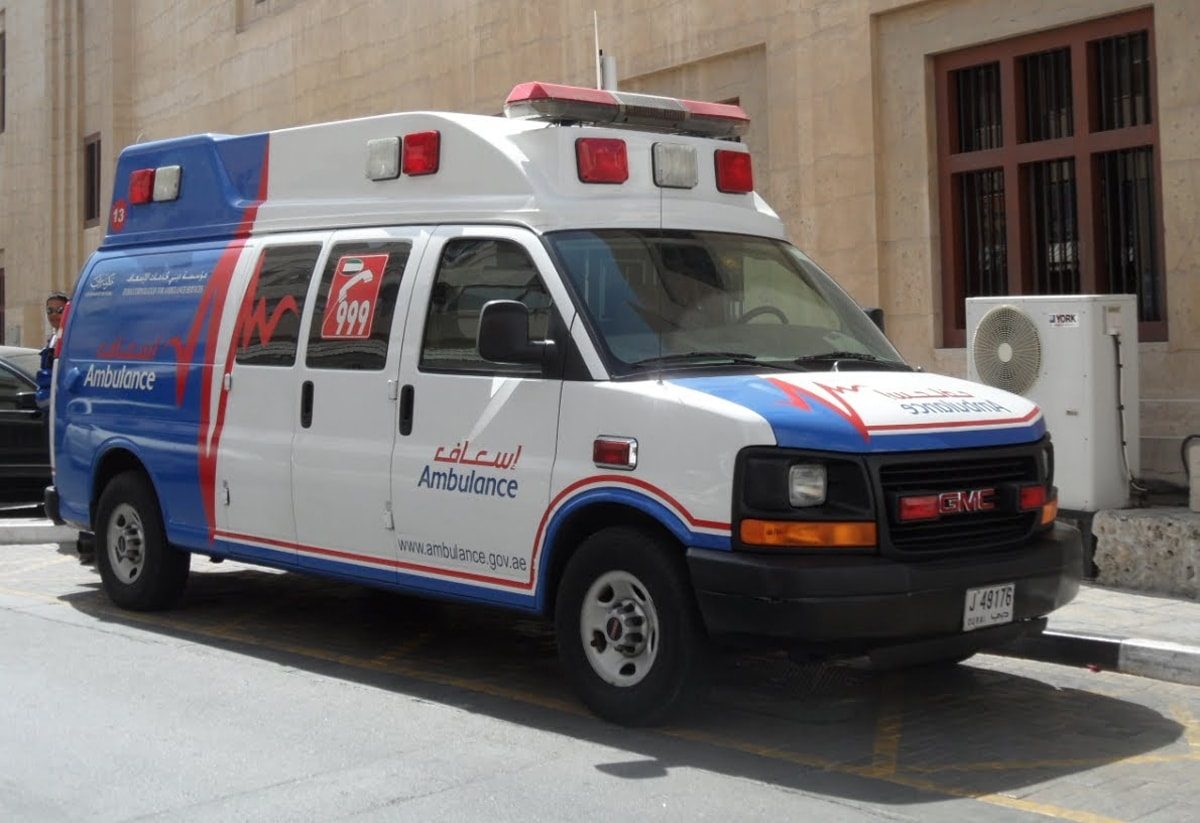
Call 999 if you suspect you’re having a heart attack instead of trying to drive to a hospital, a senior cardiologist said on the sidelines of the Scale Heart conference in Dubai on Friday.

Many patients suffering a heart attack put themselves in grave danger by delaying treatment, Dr Brajesh Mittal, head of the cardiology department at Al Garhoud Private Hospital, told Gulf News.

“In the UAE, delays start from the patient’s side. Patients are reluctant [to go to the hospital]; they are in denial,” Dr Mittal said.

The conference, being held under the patronage of Sami Dhaen Al Qamzi, director-general of the Department of Economic Development-Dubai, seeks to help health care professionals from across the country understand how to eliminate delays in treating heart attack patients.

“We do not have UAE data, but a patient arriving in his own car is common… when a patient arrives in an ambulance and anything happens at least the medics can take care of it,” Dr Mittal said.

Driving to a hospital is also a risk to other motorists as patients having a heart attack usually lose consciousness or become dizzy.

Once in the hospital, removing delays in treating heart attack patients is also crucial. Promptly doing an electrocardiogram, correctly interpreting the results, and performing the correct strategy to treat the patient are also key.

Removing the blockage in the artery as quickly as possible is crucial. Waiting out treatment could cause more heart muscles to die.

A heart attack occurs when the flow of oxygen-rich blood to the heart is blocked causing the heart muscles to die. Dead heart muscle, or tissue, leaves a scar, which interrupts the coordinated muscle action needed to pump blood.

Cardiovascular diseases were the leading cause of death globally between 2000 and 2012, killing 17.5 million people in 2012, or three in every 10 deaths, according to the World Health Organisation.

In the UAE, cardiovascular diseases are also a top killer, but heart attacks are striking 20 years earlier.

Globally, one in two heart attack patients drive themselves to hospital, according to the American Heart Association.

Five signs of a heart attack

  1. Serious heaviness in the chest as if a boulder is pressing on it.
  2. Pain in the jaw or left arm, occasionally on the right arm.
  3. Excessive sweating.
  4. Serious shortness of breath.
  5. Loss of consciousness or dizziness.